Designer Veneer vs Natural Veneer: What’s the Difference?
Table of Contents
Summary
This blog is meant for anyone who is in the early research stage, whether you’re a homeowner planning interiors, an architect, an interior designer, or a business owner setting up a space. There’s no sales pitch here just a clear, honest, and practical explanation to help you understand your options and choose with confidence.
Introduction
Choosing the right surface finish for your furniture or interiors can feel overwhelming. Many options look almost the same at first, which makes the decision even harder. Veneers are often preferred because they give you the rich look of wood without the high cost or restrictions that come with solid timber. Still, one question naturally comes up at the beginning of the process what’s the real difference between designer veneer and natural veneer?
Understanding Veneers in Simple Terms
A veneer is basically a thin layer of wood or wood-based material that is added on top of furniture, panels, or boards to improve how they look. Instead of using heavy and expensive solid wood, veneers make it possible to get the same premium wood appearance in a more practical and cost-effective way. They also provide designers more freedom to work with different styles and finishes.
Despite the common use of veneers to enhance surface aesthetics, their manufacturing processes can vary significantly. Because of this, their look, feel, and performance over time can be quite different from one another.
What Is Natural Veneer?
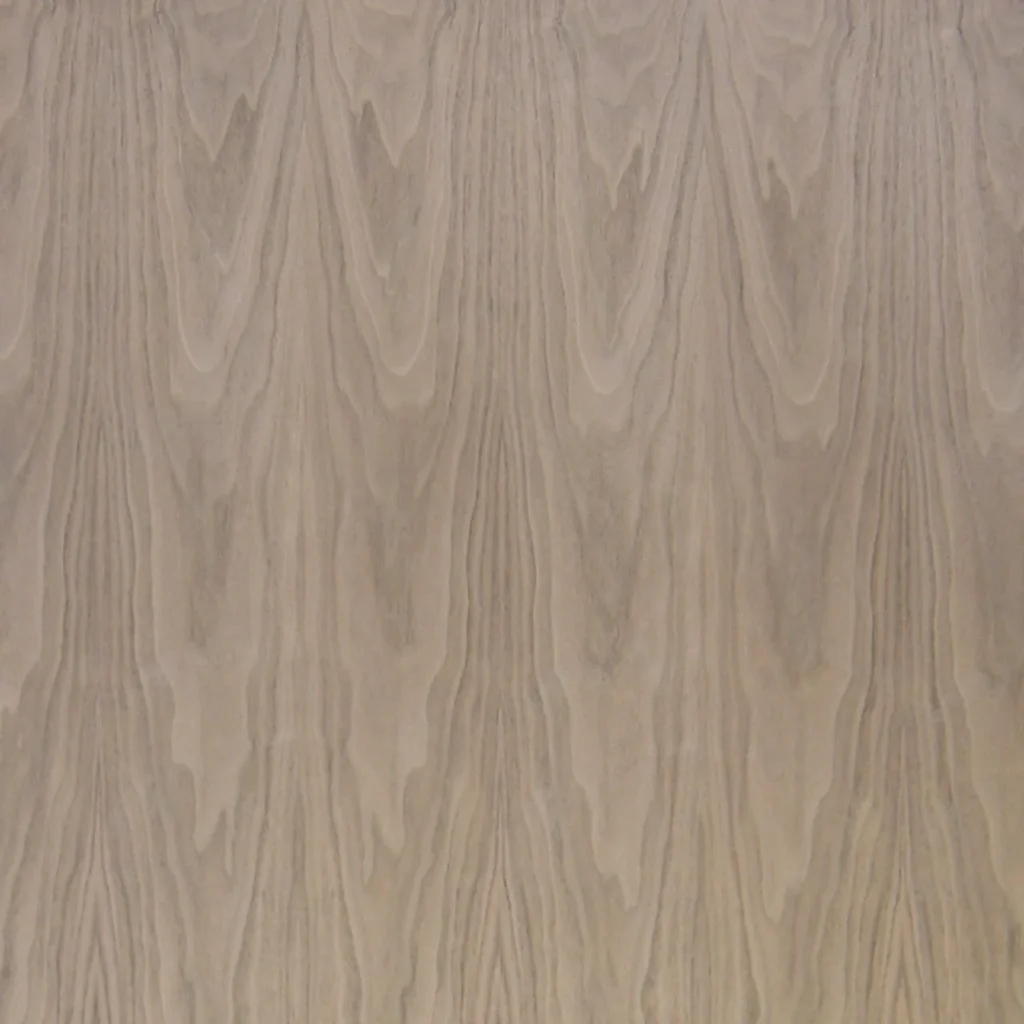
Natural veneer is created by cutting very thin layers directly from real wood logs. Because it comes from actual trees, each sheet carries the natural grain, texture, and personality of the wood it’s taken from. This also means no two sheets ever look exactly the same, which is a big reason many people love this material.
Since it’s naturally made, you’ll notice small differences in colour, grain movement, and patterns across the surface. These are not flaws at all—they’re what give natural veneer its rich, warm, and organic charm. Over the years, natural veneer has been a preferred choice for luxury furniture, handcrafted interiors, and classic woodwork, mainly because of its genuine and one-of-a-kind character.
What Is Designer Veneer?
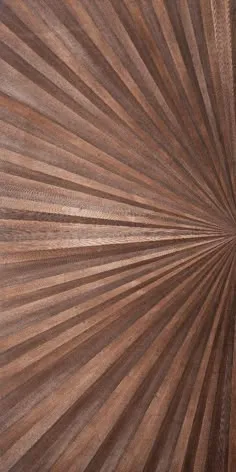
Designer veneer is a manufactured veneer made using fast-growing wood species. The wood is carefully treated, dyed, layered, and pressed together to create controlled and consistent patterns. These blocks are then sliced into thin sheets that either resemble natural wood grains or feature completely new, modern designs.
Because the entire process is managed in a controlled environment, the end product looks uniform in colour, grain, and texture. This is why designer veneer works especially well in modern interiors, where matching panels and clean symmetry across large areas really matter. It’s not meant to replace the emotional value of natural wood but rather to provide a dependable, visually consistent, and practical option for contemporary spaces.
Key Differences Between Natural Veneer and Designer Veneer
Natural veneer and designer veneer differ mainly in how they look, how consistent they are, and how much customization they offer. Knowing these differences helps architects, interior designers, and buyers select the right veneer based on design needs, visual appeal, and budget.
Natural Veneer
- Appearance & Grain Pattern: Made from real wood, natural veneer has original grain patterns, natural lines, and small imperfections. Each sheet looks slightly different, which adds a rich and authentic feel.
- Consistency: Since it comes directly from natural wood, the appearance can vary from sheet to sheet and batch to batch.
- Colour Uniformity: Colors are not perfectly even and may change depending on the wood type, age, and cutting process.
- Availability: Availability is limited because it depends on natural wood sources and specific tree species.
- Customization Flexibility: Customization is limited, as the natural grain and colour cannot be changed much.
Designer Veneer
- Appearance & Grain Pattern: Designed to look like wood, designer veneer offers a clean, modern, and uniform finish with controlled patterns.
- Consistency: All sheets look almost the same, making it ideal for large projects where uniformity is important.
- Colour Uniformity: Colors remain consistent across panels with well-controlled shades and finishes.
- Availability: Easily available in many designs, textures, and finishes throughout the year.
- Customization Flexibility: Offers high flexibility, including custom colors, patterns, and surface finishes to match design requirements.
Visual Appeal: Organic vs Contemporary
Natural veneer adds warmth and depth to a space, creating a strong connection with nature. It fits beautifully in interiors that are meant to feel rich, classic, or timeless. Every panel has its character, with natural knots, flowing grain patterns, and subtle changes in tone that make the surface feel alive and unique.
Designer veneer, in contrast, suits clean and modern spaces where a neat and organized look is preferred. Its uniform grain pattern gives a smooth and controlled finish that works well with minimal and contemporary design styles.
In the end, neither option is better than the other—it all comes down to the kind of look and atmosphere you want to create in your space.
Durability and Daily Performance
Durability is an important factor when investing in interiors. Natural veneer is made from real wood, so it can be more sensitive to moisture, heat, and direct sunlight if it isn’t finished or maintained properly. Over time, it may develop a patina or slight changes in appearance something some people appreciate for its character, while others may not prefer.
Engineered veneers are made to handle everyday use more consistently. Because they have a controlled manufacturing process, designer veneers usually offer better resistance to small scratches, uneven colour changes, and surface irregularities. Such durability makes it a reliable option, especially for large panels and high-use areas where uniform performance matters.
Cost Considerations
Natural veneer usually comes at a higher cost because it is made from real wood, which is limited in availability and involves more wastage during processing. When rare or exotic wood species are used, the price increases even further due to sourcing and material constraints.
Engineered veneers are generally more cost-effective since they make better use of raw materials and minimize waste. Designer veneer offers a refined, premium appearance while keeping costs more predictable, which is why it is often preferred for large residential projects and commercial spaces
Where Each Veneer Works Best
Natural Veneer
Natural veneer works best in spaces where the natural beauty of real wood is meant to stand out. It is commonly used in luxury furniture because it gives a rich, genuine wood look that feels elegant and timeless. It also suits statement pieces, where the unique grain patterns naturally become a visual highlight. In interiors, natural veneer looks especially appealing on feature walls or focal areas where fine craftsmanship and detailing deserve attention. Overall, it’s a wonderful choice for spaces that value character and individuality over perfect uniformity.
Designer Veneer
Designer veneer is ideal for areas where consistency and visual balance are important. It is widely used in modular kitchens, as matching panels help create a neat and well-organised appearance. Wardrobes also benefit from designer veneer because it maintains a uniform colour and grain across all doors and surfaces. For large areas such as wall panelling or partitions, it ensures the finish remains consistent throughout the space. This makes veneer a popular option for modern interiors that emphasize clean lines, symmetry, and a refined, polished look.
Sustainability and Environmental Impact
Sustainability now plays a big role when choosing interior materials. Natural veneer is made from real wood, and when it is sourced responsibly, it can still be an environmentally conscious option since it uses much less wood compared to solid timber.
Engineered veneers are often considered more sustainable because they rely on fast-growing wood species and make maximum use of the raw material. Designer veneer is widely considered a resource-efficient choice for modern interiors and construction projects where sustainability and material optimization matter.
Maintenance and Care
Natural veneer needs a bit more care to maintain its appearance. Regular polishing, gentle cleaning, and keeping humidity levels under control help preserve its finish and natural beauty over time.
Engineered veneers are much easier to look after. Their smooth and consistent surface handles everyday cleaning well and usually doesn’t require frequent refinishing. This makes designer veneer a practical, low-maintenance option for busy homes and commercial spaces.
Common Myths About Veneers
One common myth is that engineered veneers look fake or artificial. In reality, modern manufacturing techniques have made veneer look very close to natural wood, while also offering better consistency in pattern and colour.
Another misunderstanding is that natural veneer always lasts longer. Durability is more about how the veneer is used, the quality of finishing, and how well it is maintained than whether it is natural or engineered
How Professionals Usually Choose
Experienced interior designers usually don’t see one veneer type as better than the other. Instead, they choose materials based on what the project actually needs. For large surfaces, quick execution, and modern design styles, designer veneer is often the more practical choice. When it comes to custom furniture or detailed, premium work, natural veneer continues to be a favourite.
This kind of decision-making comes from real on-site experience and practical understanding, not from marketing promises.
Final Thoughts
Experienced interior designers usually don’t see one veneer type as better than the other. Instead, they choose materials based on what the project actually needs. For large surfaces, quick execution, and modern design styles, designer veneer is often the more practical choice. When it comes to custom furniture or detailed, premium work, natural veneer continues to be a favourite.
This kind of decision-making comes from real on-site experience and practical understanding, not from marketing promises.